
Heat pump installers in every county
The planner asks for your county last and passes your request to one installer who covers it. Across the State, oil heats 41% of the homes that gave their heating in Census 2022, and gas 34%.
How a request reaches one installer, and how each county heats its homes now.
Free and no obligation. Your request goes to one installer in your county, not a list.
- 41%of homes heated by oil
- 34%heated by gas
- 12%heated by electricity
- 67%of homes built before 2001
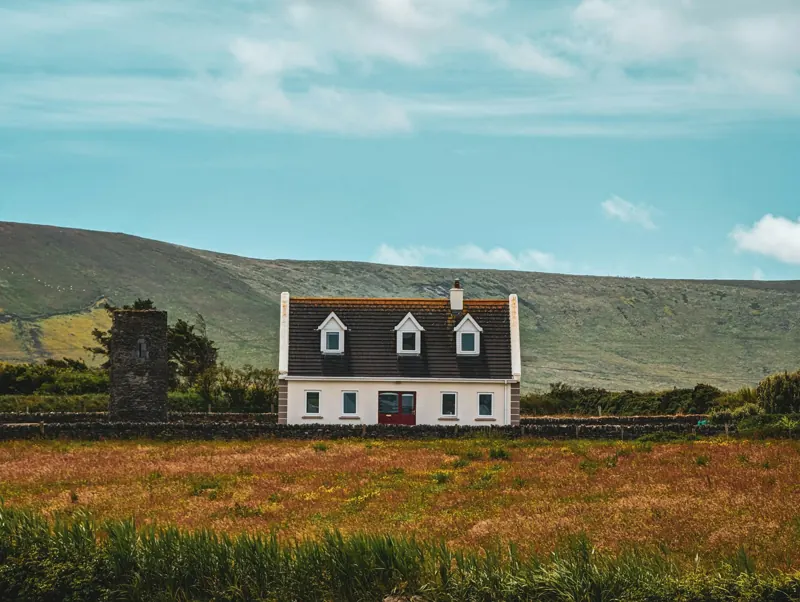
How each county heats its homes now
Census 2022 asked every household how its home is heated and when it was built. The shares below are of the homes that answered.
Leinster
Carlow
55% oil, 24% gas, 9% electric, 9% solid fuel. 64% built before 2001. 22,174 homes.
Dublin
9% oil, 70% gas, 18% electric, 1% solid fuel. 73% built before 2001. 518,490 homes.
Kildare
39% oil, 40% gas, 12% electric, 7% solid fuel. 59% built before 2001. 82,543 homes.
Kilkenny
56% oil, 22% gas, 8% electric, 11% solid fuel. 65% built before 2001. 36,685 homes.
Laois
45% oil, 26% gas, 7% electric, 19% solid fuel. 56% built before 2001. 31,112 homes.
Longford
61% oil, 2% gas, 11% electric, 23% solid fuel. 59% built before 2001. 16,206 homes.
Louth
44% oil, 42% gas, 8% electric, 4% solid fuel. 66% built before 2001. 49,332 homes.
Meath
45% oil, 36% gas, 10% electric, 6% solid fuel. 55% built before 2001. 72,549 homes.
Offaly
44% oil, 8% gas, 9% electric, 37% solid fuel. 66% built before 2001. 28,702 homes.
Westmeath
53% oil, 10% gas, 11% electric, 23% solid fuel. 65% built before 2001. 34,003 homes.
Wexford
70% oil, 1% gas, 10% electric, 15% solid fuel. 61% built before 2001. 59,081 homes.
Wicklow
43% oil, 36% gas, 12% electric, 6% solid fuel. 67% built before 2001. 54,059 homes.
Munster
Clare
61% oil, 13% gas, 9% electric, 14% solid fuel. 68% built before 2001. 46,441 homes.
Cork
41% oil, 36% gas, 12% electric, 6% solid fuel. 68% built before 2001. 210,918 homes.
Kerry
65% oil, 2% gas, 12% electric, 16% solid fuel. 68% built before 2001. 58,179 homes.
Limerick
47% oil, 30% gas, 11% electric, 9% solid fuel. 71% built before 2001. 76,295 homes.
Tipperary
63% oil, 12% gas, 8% electric, 14% solid fuel. 70% built before 2001. 62,056 homes.
Waterford
45% oil, 30% gas, 12% electric, 9% solid fuel. 69% built before 2001. 47,682 homes.
Connacht
Galway
57% oil, 8% gas, 14% electric, 17% solid fuel. 63% built before 2001. 98,654 homes.
Leitrim
68% oil, 2% gas, 9% electric, 18% solid fuel. 59% built before 2001. 13,589 homes.
Mayo
63% oil, 3% gas, 9% electric, 22% solid fuel. 67% built before 2001. 51,996 homes.
Roscommon
59% oil, 4% gas, 7% electric, 28% solid fuel. 63% built before 2001. 25,975 homes.
Sligo
63% oil, 3% gas, 11% electric, 19% solid fuel. 67% built before 2001. 26,801 homes.
Ulster (in the State)
Cavan
72% oil, 8% gas, 7% electric, 10% solid fuel. 58% built before 2001. 28,776 homes.
Donegal
70% oil, 1% gas, 5% electric, 21% solid fuel. 63% built before 2001. 61,575 homes.
Monaghan
77% oil, 7% gas, 7% electric, 6% solid fuel. 66% built before 2001. 22,855 homes.
Price your heat pump
Three taps and the price and the grant show as you go. Your name and number come last, and only if you want an installer to price it.
A semi-detached house, heated by oil now, built before 2007: €12,500 to €18,200, SEAI grant up to €12,500.
How the price is worked out
For a house the price is the range Irish sellers charge to supply and fit an air to water heat pump system, before the grant: €12,500 to €18,200. Prices that state VAT include it. For an apartment it is SEAI's median cost, €9,025. The grant is SEAI's: up to €12,500 for a house and €9,500 for an apartment where oil, gas, solid fuel or storage heaters are replaced, up to €6,500 (€4,500 in an apartment) for a replacement heat pump, and none for a home built and occupied in 2021 or later. Radiator work, the cylinder and an electricity supply upgrade vary with the house. Use it to plan with. It isn't a quote: an installer prices yours after a survey.
What the figures mean for a heat pump
Oil and gas. A home heated by oil, gas or solid fuel is the case the €4,000 Renewable Heat Bonus is for. Oil is most common in Monaghan, at 77% of homes, and gas in Dublin, at 70%.
The age of the house. Every home built before 2007 needs a technical assessment before the grant, unless its BER already shows the heat loss figure. Census 2022 counts years in bands, so the share built before 2001 is the closest it gives: 67% across the State.
Apartments. 13% of homes in the State are flats or apartments, where the grant is €9,500 and the planning exemption is written for houses.
How a request reaches an installer
You pick your county as the last tap. The request, with your answers and our price, goes to one heat pump installer who covers your county, and to nobody else. They ring to arrange a survey and price the job in writing. You can say no, and you never pay this site.
Questions before you buy
Do you cover my county?
Yes. The planner takes requests from all 26 counties, and each goes to one installer who covers that county.
Which county heats most of its homes with oil?
Monaghan, at 77% of the homes that gave their heating in Census 2022.
Is the grant different from county to county?
No. SEAI's grant is the same everywhere: up to €12,500 for a house and €9,500 for an apartment.
Will the installer be near me?
Your request goes to one installer who covers your county, so the survey visit is local.
Where do the county figures come from?
From Census 2022, which asked every household how its home is heated and when it was built.
Everything on this site
Your home and the system
Costs, grants and paying
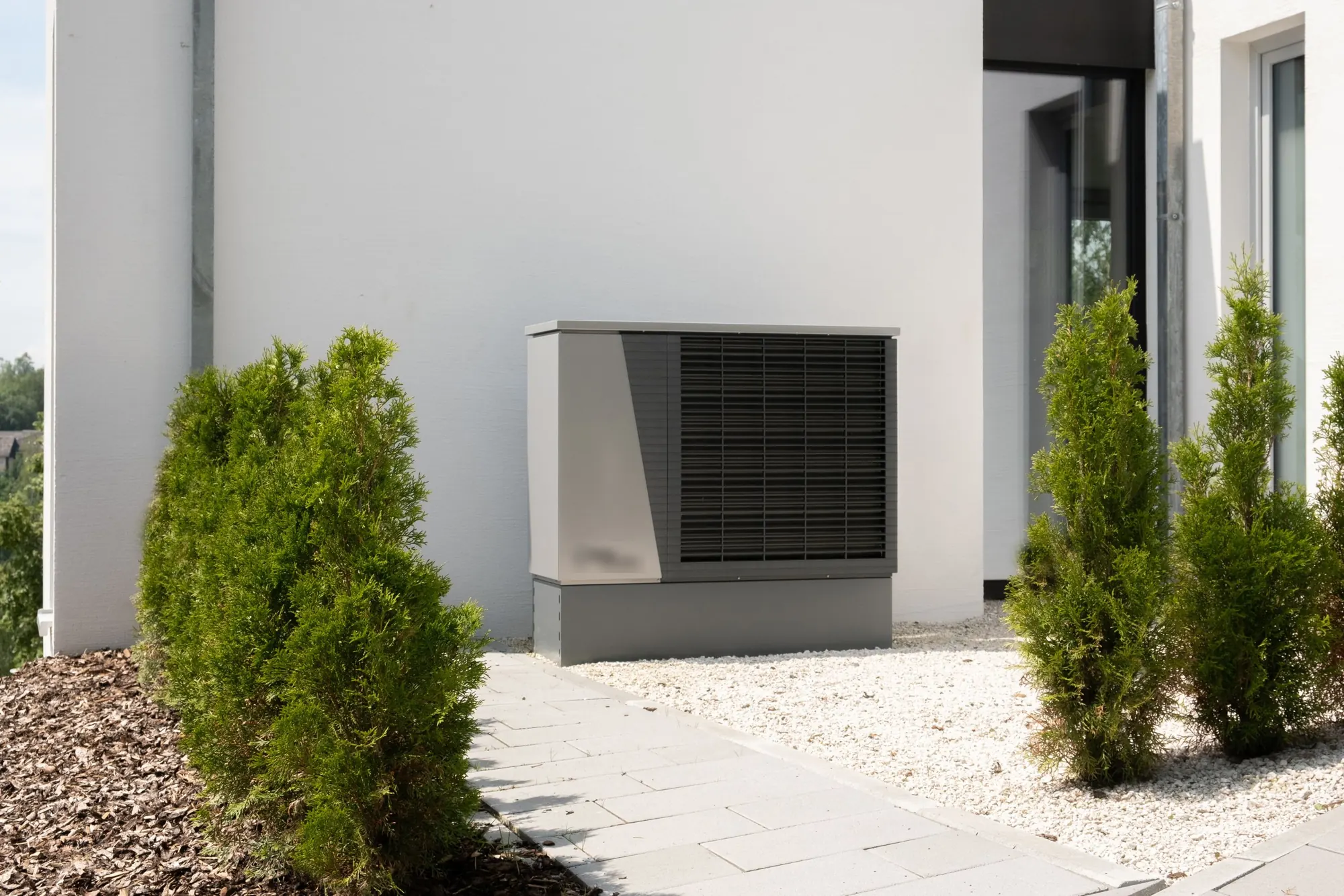
See the price and the grant before anyone rings
Pick the home, what heats it now and when it was built. When you want a firm price, it goes to a single heat pump installer in your county.